
In Part One, we explored how service recovery, when handled right, can turn missteps into momentum. In Part Two, we looked at how digital transformation only delivers impact when it starts with the customer. Now, in this final chapter, we dive into one of the most powerful long-term growth levers of all: values alignment.
Today’s customers don’t just want faster service or smarter tech; they also want brands that reflect their values. From ease and empathy to ethics and impact, expectations have evolved. But many brands are still swimming in circles, chasing new features and taglines while missing what truly earns loyalty.
The root issue? A widening gap between what customers care about and what brands choose to prioritize and deliver. The best products mean little if the brand behind them feels out of sync with a customer’s values. In an ocean filled with savvy competitors, that disconnect becomes a reason for customers to make a switch.
This third and final chapter reveals how customer-aligned brands turn purpose into differentiation -standing out in the “sea of sameness”-, and going beyond surface-level statements to show up consistently in ways that resonate with customers. The brands that win loyalty and drive growth weave strategic corporate social responsibility into their business models to create mutually beneficial shared value.
Here are five strategies to close the value gap and keep loyalty locked in.
🔹 Start with What Customers Value Most
🎯 Why it works:
Customers don’t buy features, they buy benefits. Whether it’s how a product makes them feel, how it fits into their lives, or how it drives results for their business. When brands deeply understand the emotional drivers behind purchasing decisions, whether that’s ease, fairness, convenience, or care, they stop chasing trends and start delivering relevance. Prioritizing what truly matters to your customer creates intuitive experiences that feel like they were built for them. That emotional alignment pays off in repeat business, higher trust, and stronger word-of-mouth.
🛠️ How to implement it:
- Use Voice of the Customer data, qualitative feedback, social listening, and behavioral insights to surface core drivers like clarity, confidence, and ease.
- Redesign journeys to prioritize simplicity and satisfaction at key decision points.
💡 ZELOCIN™ Insight: 76% of customers say the experience a company provides is as important as its products. Brands that strike a balance between functional and emotional value see double the brand loyalty.
⭐️ In Action: Trader Joe’s
Trader Joe’s listens obsessively to what customers want. By prioritizing simplicity, affordability, and a curated selection of high-quality, unique products, Trader Joe’s designs its entire shopping experience around customer convenience and delight. This clarity of value drives fierce loyalty and an almost cult-like following for the supermarket chain.
🔹 Bring Your Brand Values to Life
🎯 Why it works:
Customers are no longer content with surface-level statements. They want to see your values in motion, through your policies, your people, and your product experience. When your frontline team delivers with integrity and empathy that reflects your mission, the result is trust that can’t be faked. It also closes the authenticity gap, a key factor in why customers leave brands.
🛠️ How to implement it:
- Audit key customer interactions to ensure your values are visible and felt from return policies to email tone.
- Train teams not just on service, but on how to embody the brand promise in every interaction and project.
💡 ZELOCIN™ Insight: Brands that consistently demonstrate their values in action outperform competitors in trust by 33% and drive longer customer lifecycles.
⭐️ In Action: Patagonia
Patagonia lives its values out loud, from standing against overconsumption with its “Don’t Buy This Jacket” campaign to offering free repairs for worn gear. These aren’t marketing stunts; they’re aligned actions rooted in Patagonia’s mission of environmental responsibility. Customers feel that alignment, and it shows. Patagonia has one of the highest brand trust and retention scores in the outdoor industry.
🔹 Turn CSR into CX Through Shared Value
🎯 Why it works:
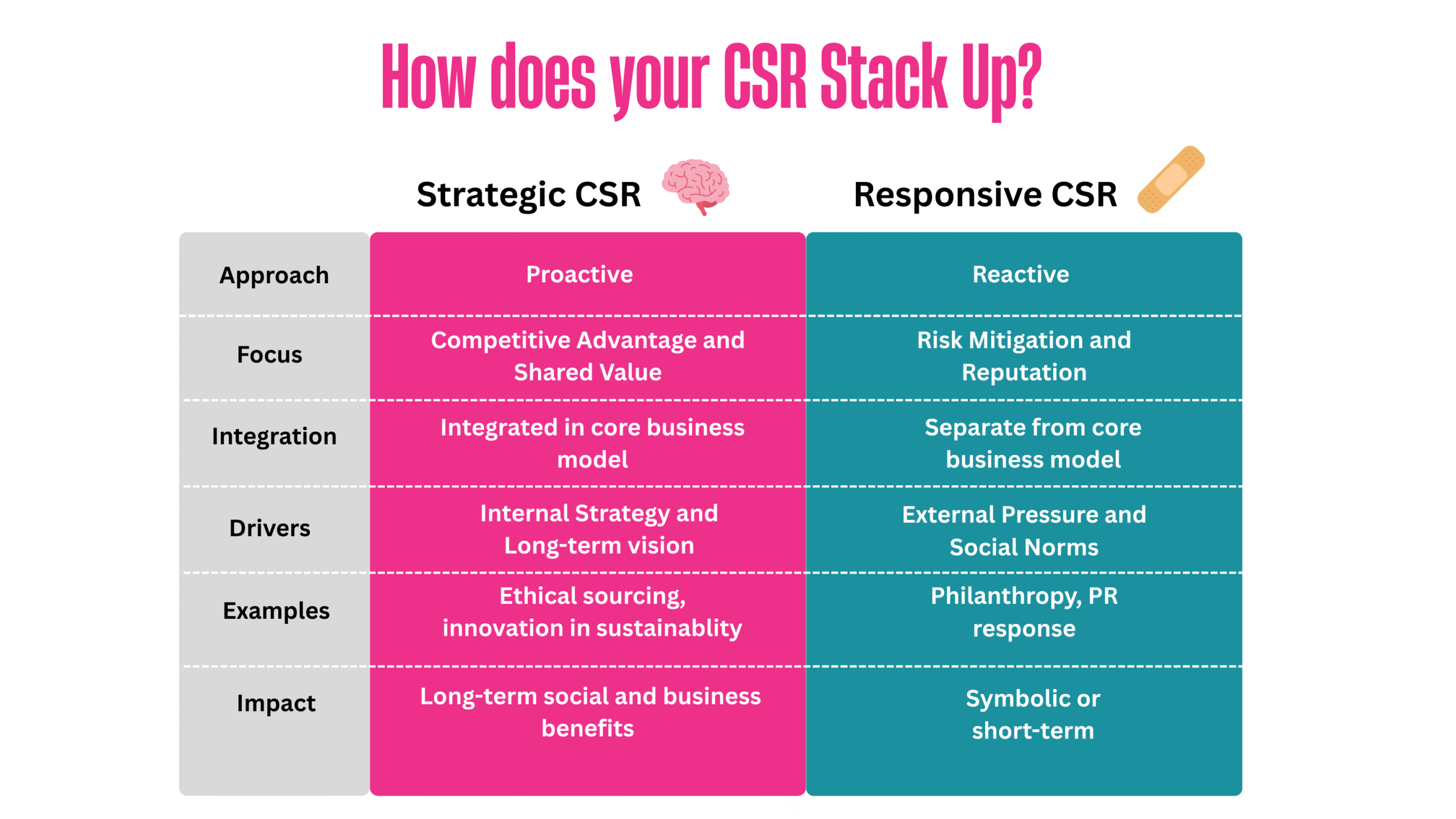
Corporate Social Responsibility (CSR) on its own is no longer a differentiator. What customers care about is whether that purpose reaches them. When CSR becomes embedded in the product experience or tied directly to customer impact, it feels personal, not performative. This is where Shared Value becomes powerful: when doing good also drives real customer value.
🛠️ How to implement it:
- Connect CSR initiatives to product features or quality improvements through unique value propositions (e.g., sustainable materials tied to performance).
- Surface impact stories at moments of customer engagement (e.g., packaging, follow-ups, or loyalty programs).
💡 ZELOCIN™ Insight: 64% of consumers choose, switch, or boycott brands based on social stance. Shared Value turns CSR from a checkbox into a growth multiplier.
⭐️ In Action: Unilever’s Dove Real Beauty Campaign
Dove took a stand for real beauty and self-esteem and embedded that purpose directly into its value proposition. Rather than treating CSR as an external campaign, Dove wove its mission into the customer experience. The brand redesigned product visuals to reflect inclusivity, launched real-world self-esteem education programs, and ensured its messaging aligned with everyday interactions. Customers didn’t just hear the message – they felt it. This authenticity turned purpose into preference, driving double-digit growth in both market share and customer loyalty.
🔹 Close the Trust Gap with Advantageous Transparency
🎯 Why it works:
In an age of overpromising and underdelivering, honesty is refreshing. Brands that are upfront about challenges, sourcing, delays, or costs build deeper, longer-lasting relationships. Transparency removes uncertainty, and with it, friction. For the customer, It signals respect, and for the brand, it earns permission to recover or evolve.
🛠️ How to implement it:
- Proactively share behind-the-scenes insights, product sourcing, or real-time updates when things go wrong.
- Use certifications, stories, or even failures to deepen connection and credibility.
💡 ZELOCIN™ Insight: 85% of consumers say transparency makes them more likely to stick with a brand during a mistake. In tariff-ridden markets, trust is your strongest shield.
⭐️ In Action: Allbirds
Allbirds has woven transparency into its customer experience from day one. From clearly labeling the carbon footprint of each product to breaking down material sourcing and pricing logic, Allbirds treats customers like partners in sustainability. Even their setbacks—like pivoting away from a poorly received performance shoe—were shared openly, reinforcing brand integrity. By pairing transparency with continuous improvement, Allbirds built a brand that feels honest, human, and trustworthy—earning premium pricing power, a loyal following, and rapid expansion across global markets.
🔹 Measure Experience with a Broader Lens
🎯 Why it works:
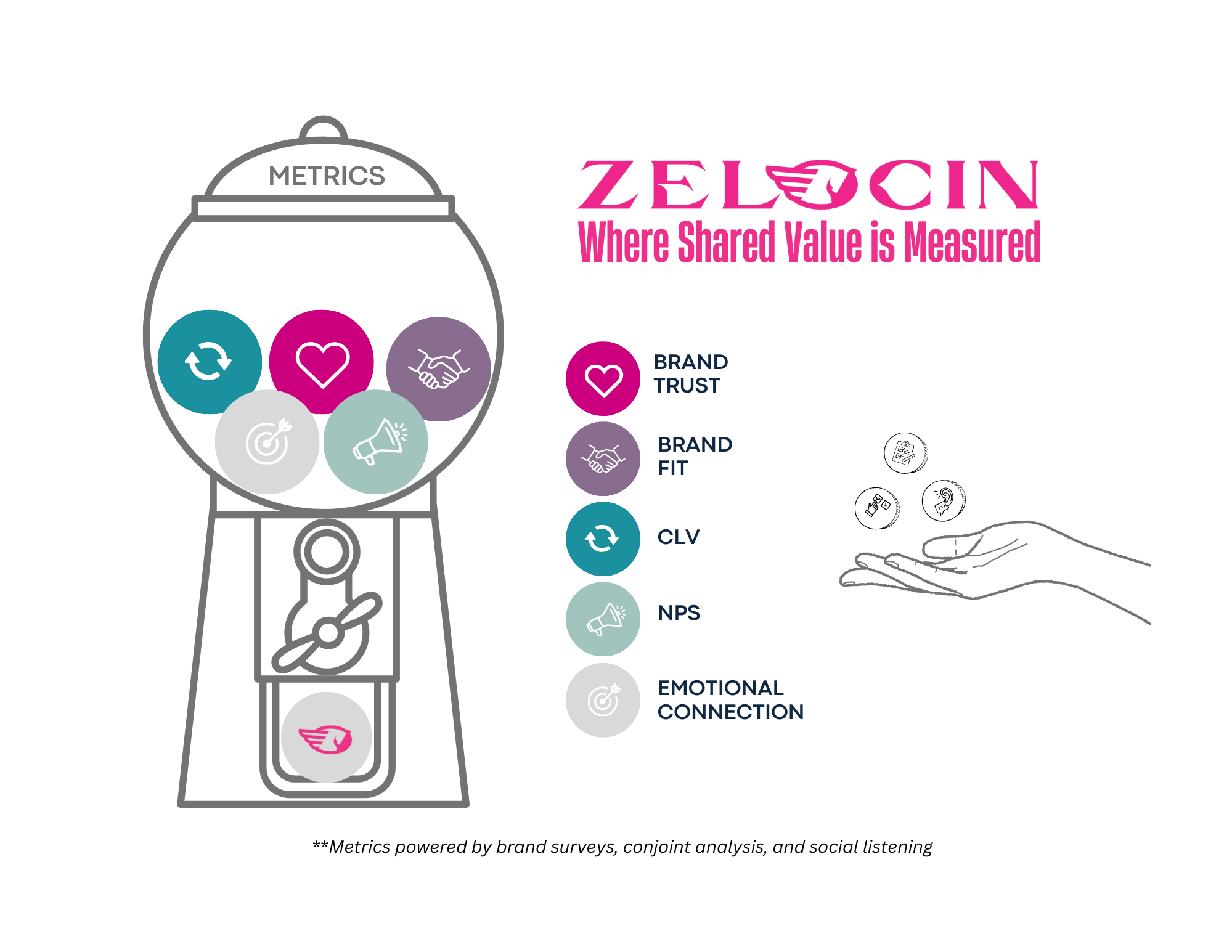
Key Performance Indicators (KPIs) like Net Promoter Score (NPS) and Customer Satisfaction (CSAT) are helpful, but they don’t tell the whole story. Loyalty today is influenced by shared beliefs, trust, and how well your brand reflects a customer’s identity. Measuring what matters now requires a more holistic, value-aligned approach that captures not just what customers say, but how they feel, and whether they stick around.
🛠️ How to implement it:
- Layer in trust metrics, brand alignment scores, and shared value sentiment into your customer feedback systems.
- Track how CSR and purpose-driven initiatives influence repeat rate, advocacy, and emotional loyalty over time through methods such as conjoint analysis.
💡 ZELOCIN™ Insight: Brands that integrate values-based metrics see a 25% boost in long-term loyalty and 2x ROI on brand investments. What you measure shapes what you deliver.
⭐️ In Action: REI
REI doesn’t just track sales; it measures how well it delivers on its mission to connect people with nature. Its boldest move? Closing all stores on Black Friday to launch the “Opt Outside” campaign, encouraging customers and employees to spend the day outdoors instead of shopping. Far from a one-off stunt, this values-first decision became a recurring initiative tied to real metrics like member engagement, community participation, and satisfaction. The result: a surge in loyalty, advocacy, and long-term growth that proved measuring what matters to your customer isn’t just good ethics—it’s good business.
🔍 Growth Insight: Purpose Is the New Performance
Customers are 4–6x more likely to buy from, trust, and advocate for brands that align with their values. When purpose isn’t just a campaign, but a capability embedded into a brand’s customer experience, it becomes an advantage your competitors can’t easily replicate. When implemented properly, CSR isn’t just a press release; it’s the reason your customers keep coming back.
📊 The Bottom Line:
Modern loyalty lives at the intersection of what customers need and what they believe in. Brands that meet those expectations by combining operational excellence with purpose won’t just keep customers. They’ll lead markets.
🌱 Ready to exceed expectations and build lasting value? Start by aligning with what your customers really care about.
Let’s Turn Retention into Your Next Advantage
Finding it challenging to keep up with shifting customer preferences while navigating the competitive, dynamic landscape that comes with a digital presence? We’re here to be a strategic partner, advocate, and ally for your brand’s continued success and growth, from ideation to execution. Contact us today at info@zelocin.com to book a 30-min complimentary consultation with one of our experts.